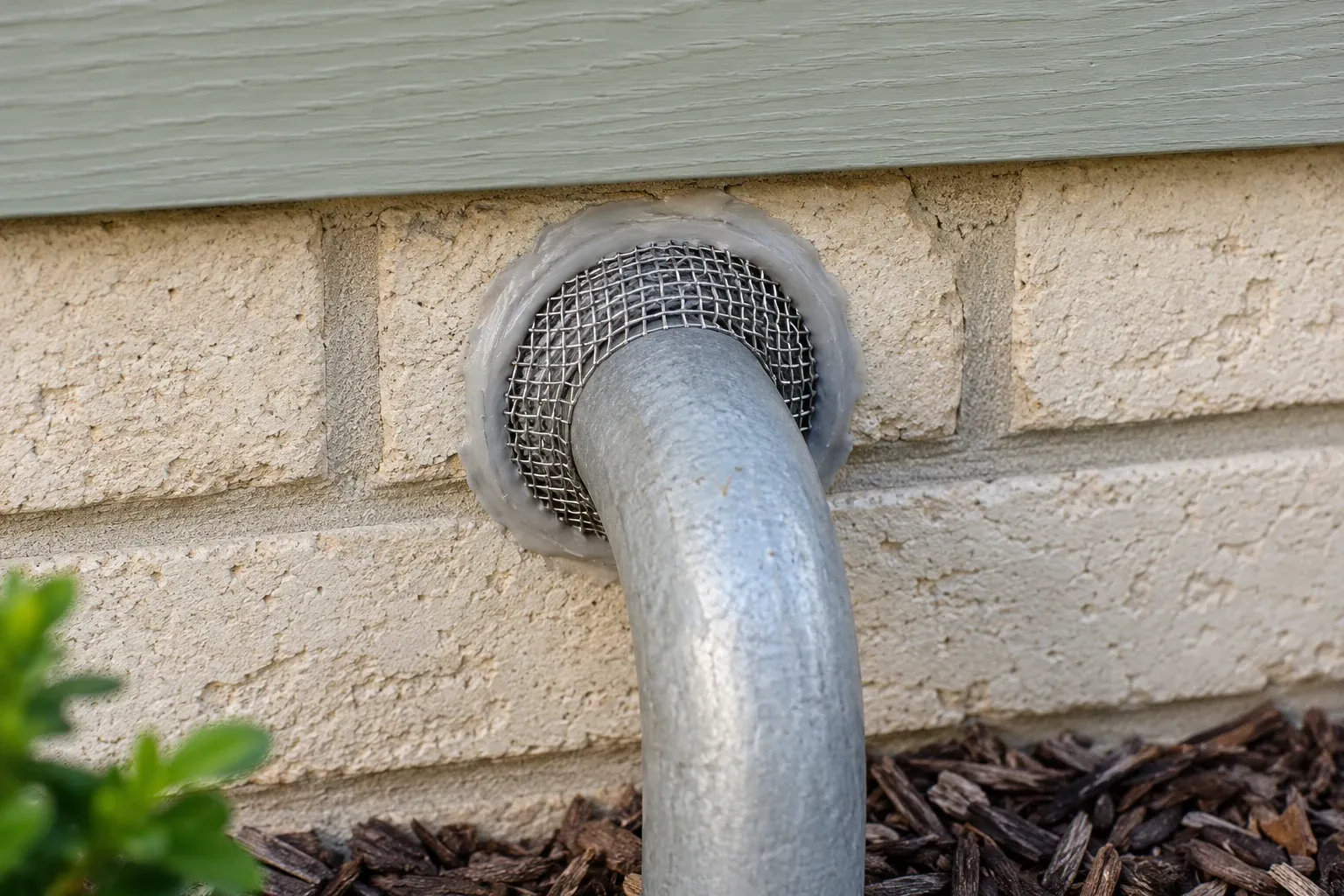
Rodent-exclusion mesh fitted around a utility pipe at a brick wall

Rodent Exclusion Janesville WI Entry Point Sealing

Mice still getting through gaps around your garage door, vents, or utility pipes? Maybe an old foam repair has been chewed open again.

Janesville Rodent Pros provides rodent exclusion in Janesville, WI, to locate and seal the openings mice and rats use to enter your home. Proper repairs can help reduce repeat entry after treatment.

Signs Your Home Needs Rodent Exclusion

You can keep catching mice or treating rats without solving the entry problem. These situations often suggest that the house needs a closer inspection.

Mice Keep Returning After Trapping

The traps worked, but fresh droppings appeared again. Other mice may still be inside, or a gap may be allowing new mice to enter. Entry-point sealing addresses the second part of that problem.

A Gap Beneath the Garage Door

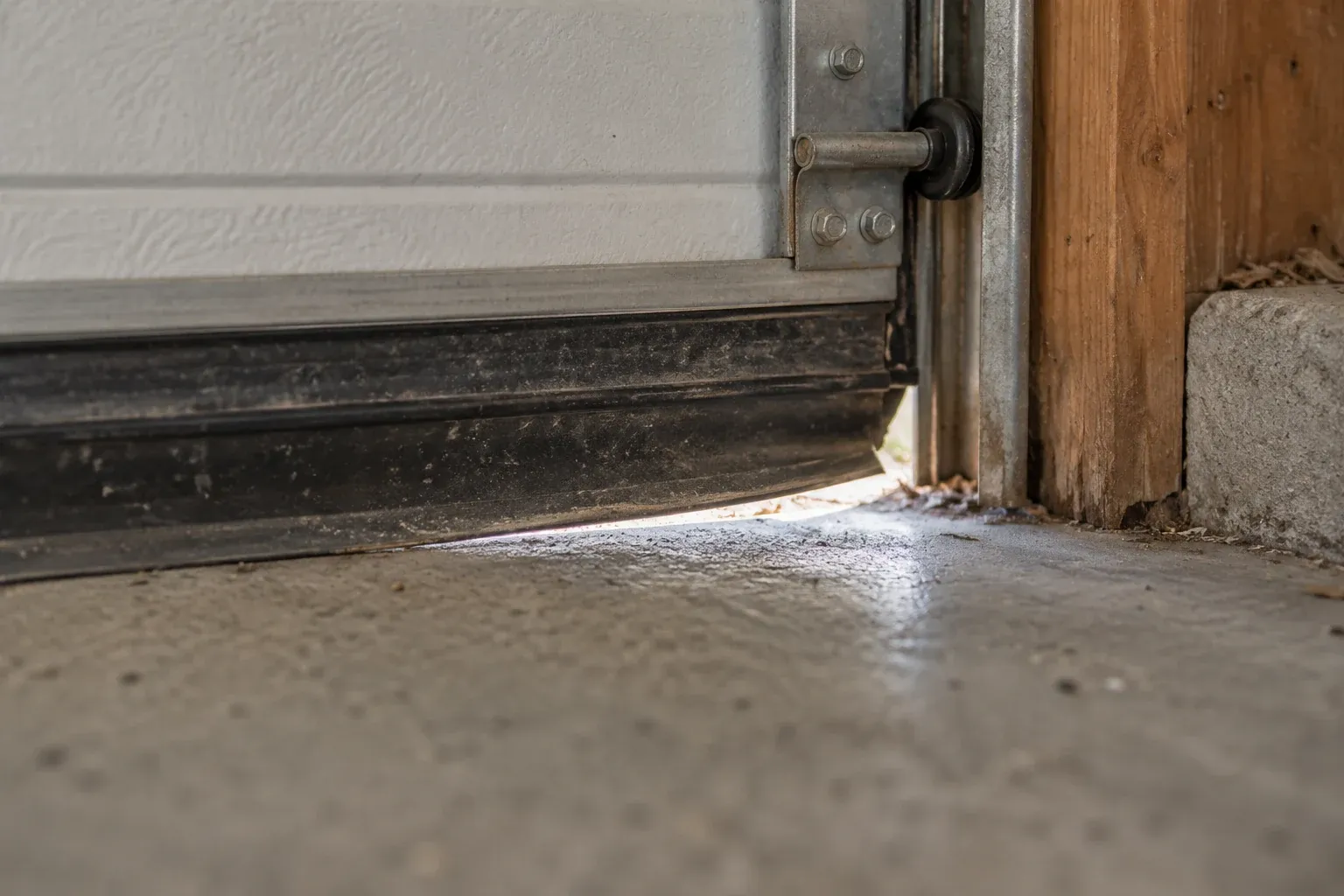
Can you see daylight beneath a closed garage door? A worn bottom seal or uneven threshold may leave an opening. Mice can use a garage to reach adjoining rooms or wall spaces.

Droppings Near Pipes or Basement Walls

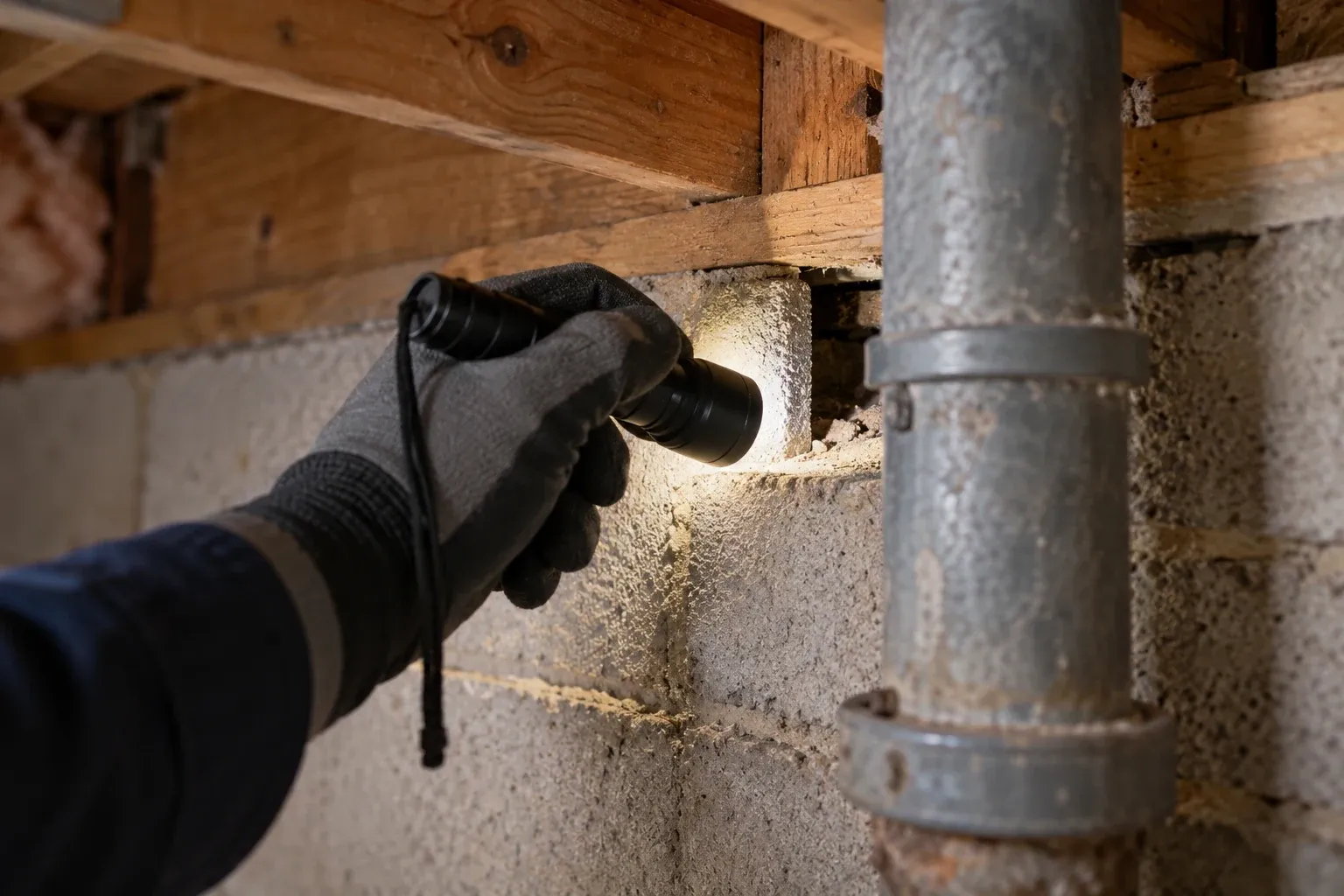
Droppings along a utility line or foundation edge may point to a travel route. Gaps where pipes pass through walls deserve inspection, even if you haven't spotted a mouse nearby.

Chewed Foam Around an Old Repair

Someone filled a hole with expanding foam, but the gap has reopened. Rodents can gnaw through soft materials. The repair may need a rodent-resistant barrier rather than another layer of foam.

Scratching After Previous Treatment

If noises continue after trapping or other treatment, check for fresh signs before assuming the same infestation is back. An unfinished entry-point repair may contribute to repeated activity.

Openings Around Attic Vents or Soffits

Damaged vent covers and gaps near roof overhangs can offer access to upper spaces. These areas are easy to miss from the ground and may need careful inspection.
Where Mice and Rats Get Into Your Home

A house mouse can squeeze through an opening about one-quarter inch wide, roughly the width of a pencil. Rats generally need larger openings, but both can use gaps that look minor from outside.

Common entry points include:

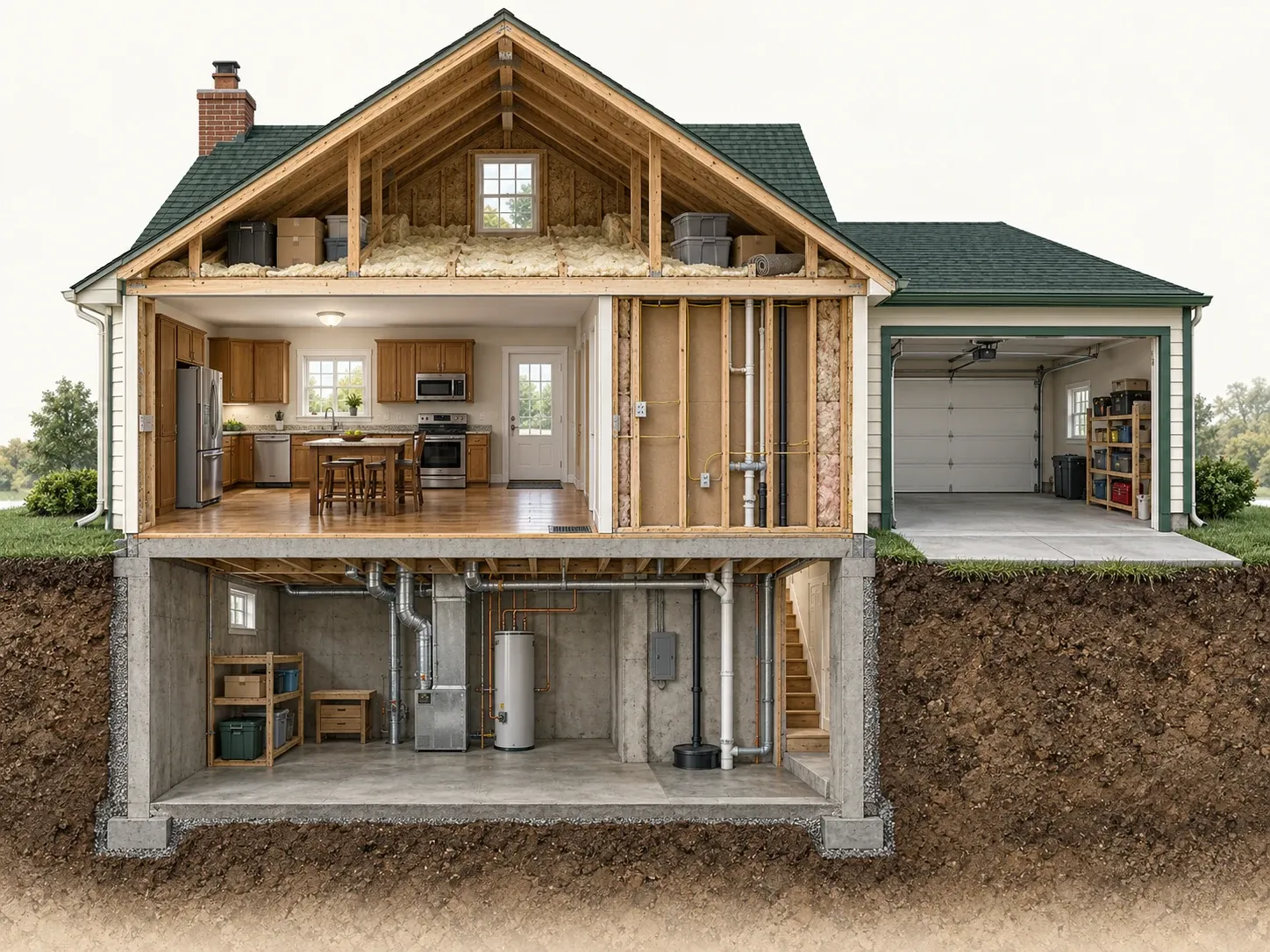
  • Foundation joints and siding edges: Cracks, damaged material, and spaces where the foundation meets the wall.
  • Plumbing and utility penetrations: Gaps around water lines, cable connections, and other services entering the building.
  • Garage doors and thresholds: Worn door sweeps, missing weatherstripping, and uneven edges.
  • Vents and crawl-space openings: Damaged screens or covers that leave a route inside.
  • Eaves, soffits, and rooflines: Gaps beneath overhangs or around roof-edge materials.
  • Interior wall and floor openings: Passages around pipes or behind cabinets that let rodents move once they're inside.

An entry-point inspection considers both the exterior and the places where droppings, rub marks, or gnawing show activity. Read our guide to how rodents enter homes.

House cutaway showing connected attic, wall, basement, and garage spaces

How Professional Rodent Exclusion Works

Professional entry-point sealing involves more than filling obvious holes with caulk. The aim is to identify relevant openings, repair them with suitable materials, and check that the work fits any active rodent treatment.

1. Inspect Entry Points

Check foundations, doors, vents, utility lines, roof edges, and accessible interior spaces. Look for gaps alongside droppings, gnaw marks, and likely travel routes.

2. Plan Treatment and Repairs

Determine whether mice or rats may still be inside. If there is active activity, trapping or other treatment should be coordinated with sealing rather than assuming the openings can simply be closed.

3. Seal and Protect Openings

Select a repair for each location. This may involve metal mesh, flashing, mortar, weatherstripping, or a properly fitted door sweep. Some openings require work by the appropriate trade.

4. Check for Further Activity

Reinspect repaired areas and watch for fresh droppings, gnaw marks, or new gaps. Follow-up needs depend on the original problem and the work performed.

The scope of inspection, sealing, and any follow-up should be clear before service begins.

Rodent-Proofing Materials That Work

Good rodent proofing depends on the opening and the material around it. A patch that covers a gap today may fail if mice can chew through it or the door no longer closes properly.

Metal Mesh and Hardware Cloth

Rodent-resistant metal mesh can protect suitable vents and larger gaps. Hardware cloth is a rigid wire mesh often used as a barrier. Its size and installation must suit the opening and preserve required airflow.

Metal Flashing and Durable Patches

Sheet metal or flashing can cover vulnerable edges and damaged openings. Cement or mortar may be appropriate for some masonry gaps and foundation repairs.

Door Sweeps and Weatherstripping

A properly fitted sweep can close the gap beneath a garage or exterior door. The threshold and door alignment matter too; replacing only the rubber strip may not fix every opening.

Small-Gap Repairs

Steel wool or copper mesh secured with suitable sealant can help block certain small holes. Expanding foam or caulk by itself isn't a reliable rodent-proof barrier where mice can gnaw through it.

Important: Dryer exhausts, combustion-air openings, drainage paths, and required ventilation must not be blocked. Vent guards and repairs near gas, electrical, or HVAC equipment need the correct materials and qualified installation.

Rodent Exclusion vs. Rodent Removal

Rodent exclusion closes structural entry points; rodent removal addresses mice or rats already inside. A home may need one or both services, but the timing of repairs matters. Our overview of rodent control in Janesville, WI explains the treatment and entry-point services available.

If fresh droppings are found in an attic, sealing a damaged vent before inspecting for mice could leave them trapped inside. If mice are removed but gaps around pipes remain open, new mice may enter later. Ask which openings will be repaired, what materials will be used, and whether follow-up checks are included.

For active infestations, see our mice control and rat control services. For more detail, read rodent exclusion vs. extermination.

Why DIY Sealing Sometimes Fails

Sealing one visible hole may help, but other openings can go unnoticed. A mouse can enter through a utility gap near the foundation and move through wall cavities before reaching the kitchen. Fixing the kitchen-side gap alone doesn't address the exterior opening.

Other common problems include using foam without a metal barrier, leaving worn door seals in place, or covering a vent with material that restricts airflow. Even a good repair can loosen or become damaged over time.

Rodent-proofing works best when repairs address the likely routes, not just the hole closest to the droppings. That may mean checking several parts of the structure rather than patching the first gap you notice.

Daylight passing through a worn seal at the corner of a residential garage door

How Much Does Rodent Exclusion Cost in Janesville?

The cost of rodent proofing in Janesville, WI, depends on how many openings need attention and how difficult they are to access. Replacing a door sweep is different from repairing multiple foundation gaps or securing openings near a roofline.

Pricing may depend on property size, inspection findings, materials, access equipment, the condition of doors or vents, and whether additional repairs are required. Trapping, cleanup, or monitoring may be separate from entry-point sealing.

Before agreeing to service, ask which openings are included, what materials will be used, and whether follow-up checks are part of the work. See our rodent control cost guide for more pricing factors.

How to Reduce Repeat Rodent Problems

Sealing entry points is important, but the conditions around a property still matter. These steps can support your exclusion work:

  • Store pet food, birdseed, and pantry food in secure containers.
  • Keep garbage bins closed and clean up spilled food.
  • Reduce clutter and sheltered storage close to foundations.
  • Check garage and exterior door seals for new wear.
  • Watch for fresh droppings or gnaw marks near repaired areas.

These measures do not replace treatment for mice or rats already present. If you find droppings, follow the CDC's safe rodent cleanup guidance; don't dry sweep or vacuum contaminated material.

About Janesville Rodent Pros

Janesville Rodent Pros provides rodent exclusion services for homeowners dealing with worn garage door seals, utility gaps, failed foam patches, and mice or rats returning after treatment.

If you've noticed daylight beneath a garage door or droppings near a furnace pipe, tell us where the opening is and what you've tried to seal it with. We'll help you discuss inspection, suitable repair materials, and the timing of exclusion work if mice or rats are still active.

Our focus is on practical entry-point repairs and making the proposed work easy to understand.

Rodent-exclusion inspection of an opening beside a basement utility pipe

What to Expect When You Call

Getting started is simple. You don't need to know which material or repair your home needs.

1. Call Us

Describe where you've noticed rodents, droppings, or gaps around your home. Mention any trapping, sealing, or other work you've already tried.

2. Review the Problem

We'll discuss likely access areas, whether rodents may still be active, and which entry-point repairs or related services may need attention.

3. Arrange Service

Review scheduling, pricing, and the proposed scope of work. Confirm which openings, materials, and follow-up needs are included before service begins.

Rodent Exclusion in Janesville and Nearby Communities

We provide rodent exclusion in Janesville for homes with damaged vent covers, gaps around utility lines, worn garage thresholds, or other entry-point concerns. The repair plan depends on the openings found at each property, not the age of the neighborhood.

Service is also available in Milton, Edgerton, Beloit, and Evansville.

Frequently Asked Questions

How Small a Hole Can a Mouse Use?

A mouse can squeeze through an opening about one-quarter inch wide. That's why narrow gaps around pipes, siding, and doors deserve attention even when they don't look large enough.

Does Expanding Foam Stop Mice and Rats?

Foam alone isn't a dependable rodent-proofing material. Mice and rats can gnaw through it. Depending on the location, metal mesh or another durable barrier may be needed.

Can Rodent Exclusion Be Done Before Trapping?

Sometimes, but active rodent activity must be assessed first. Closing openings without a treatment plan can trap mice or rats inside. The right sequence depends on the property.

Is Exclusion the Same as Rodent Control?

No. Exclusion focuses on structural entry points. Mice control and rat control address active infestations. A home with ongoing activity may need both types of work.

Can You Seal Vents Without Blocking Airflow?

Some vents can be protected with suitable rodent-resistant covers, but required airflow must be maintained. Dryer exhaust and combustion-air openings need particular care and appropriate equipment.

Will Rodent Exclusion Stop Mice Forever?

No repair can guarantee a home will never have another rodent problem. New damage, open doors, or missed openings can allow entry later. Inspection and maintenance help reduce that risk.

How Long Does Rodent-Proofing Take?

It depends on the number and location of openings. A door-sweep repair is different from several exterior patches or hard-to-reach roofline work. The scope should be confirmed first.

Need Rodent Exclusion in Janesville, WI?

Still finding droppings after trapping, or noticing gaps around your garage, foundation, or vents? Janesville Rodent Pros can help you address the entry points that may be allowing mice and rats inside. Call to discuss rodent-proofing and the next steps for your home.