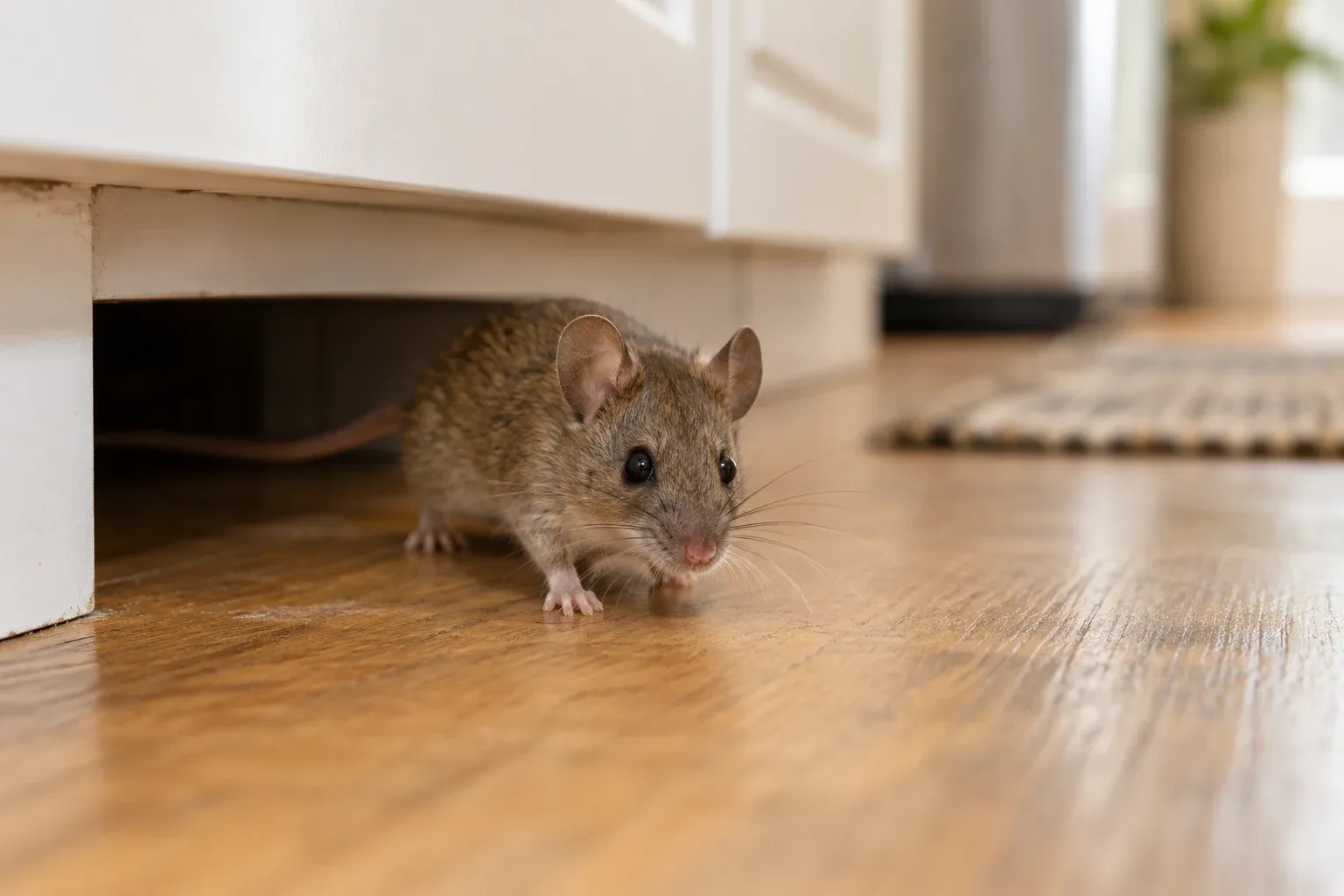
House mouse beside a kitchen cabinet, a sheltered indoor travel route

Mice Exterminator Janesville WI Mouse Control & Removal

Finding mouse droppings in your kitchen? Hearing scratching inside your walls?

Janesville Rodent Pros provides professional mice control and removal in Janesville, WI. If you're looking for a mice exterminator in Janesville, WI, we can help you address the infestation, identify entry points, and prevent recurring mouse problems.

Signs You Have Mice in Your Home

Mice don't need to run across the kitchen floor to make their presence known. Often, the evidence shows up first in drawers, behind appliances, or above the ceiling.

Mouse Droppings in Drawers and Cabinets

Small, dark droppings near pantry shelves, under the sink, or behind the stove are a common warning sign. Fresh droppings after safe cleanup can mean mice are still using that area. Keep exposed food away from affected surfaces.

Scratching Inside Walls or Ceilings

Light scratching and quick scurrying at night may come from mice moving through wall cavities or an attic. Sounds alone can't confirm mice, but droppings or gnaw marks nearby help establish what's happening.

Mice Keep Appearing After Trapping

You catch one mouse, then find another in the same room days later. That may mean other mice remain hidden or new ones are entering through an opening. A few successful traps don't always end the infestation.

Chewed Food Bags and Nesting Materials

Small holes in cereal boxes, damaged pet-food bags, and shredded paper or insulation can point to mouse activity. Check sheltered areas behind stored items, where mice may build nests close to food.

Mouse Activity in the Attic or Garage

Droppings around storage boxes, disturbed insulation, and movement overhead deserve attention. In garages, worn door seals or openings around utilities can let mice enter and travel farther into the home.

A Mouse Spotted During the Day

Seeing a mouse in daylight doesn't automatically mean a large infestation, but it shouldn't be ignored. Look for other signs and note where it went rather than assuming it was the only one.

For a closer look at hidden activity, read our guide to signs of mice in walls.

Why Mice Keep Coming Back After Trapping

If the traps are catching mice, why do the droppings keep coming back? Trapping may remove mice you can reach without addressing others nesting behind cabinets, in insulation, or inside walls.

Placement matters, too. House mice usually travel near walls and sheltered edges. A trap in the middle of an open room may miss the routes they use every night. Food left accessible and gaps around pipes or doors can keep new mice coming.

A thorough inspection connects the clues: where droppings appear, where mice travel, which traps have worked, and where entry points may be. Read our guide on why mice keep coming back for more detail.

Chewed paper food bag beside storage jars on a pantry shelf

How Professional Mice Control Works

Effective mouse extermination starts with identifying activity, not simply putting more traps wherever a mouse was seen. The treatment process generally includes four steps.

1. Inspect for Mouse Activity

Check for fresh droppings, gnaw marks, nesting materials, and routes along walls. An inspection also looks at the rooms and hidden spaces where mice may be feeding or sheltering. If the evidence points to rats instead, see our rat control service.

2. Choose and Place Treatment

Snap traps and other suitable methods are selected based on the findings. Placement near active routes matters. Traps and any bait products must be handled with appropriate precautions around children and pets.

3. Check Entry Points

Look for openings around utility lines, garage doors, vents, and foundations. Mouse removal addresses mice already inside; sealing entry points helps limit new mice. Confirm whether exclusion work is included or quoted separately.

4. Monitor for Fresh Signs

New droppings, gnaw marks, or sightings can show whether mice remain active. Some infestations need follow-up checks or additional treatment before activity stops.

The scope and number of visits depend on the home, the extent of the problem, and the treatment used.

Where Mice Enter Janesville Homes

A house mouse can squeeze through an opening about one-quarter inch wide, roughly the width of a pencil. Small gaps are easy to miss, especially where different building materials meet.

Common access points include:

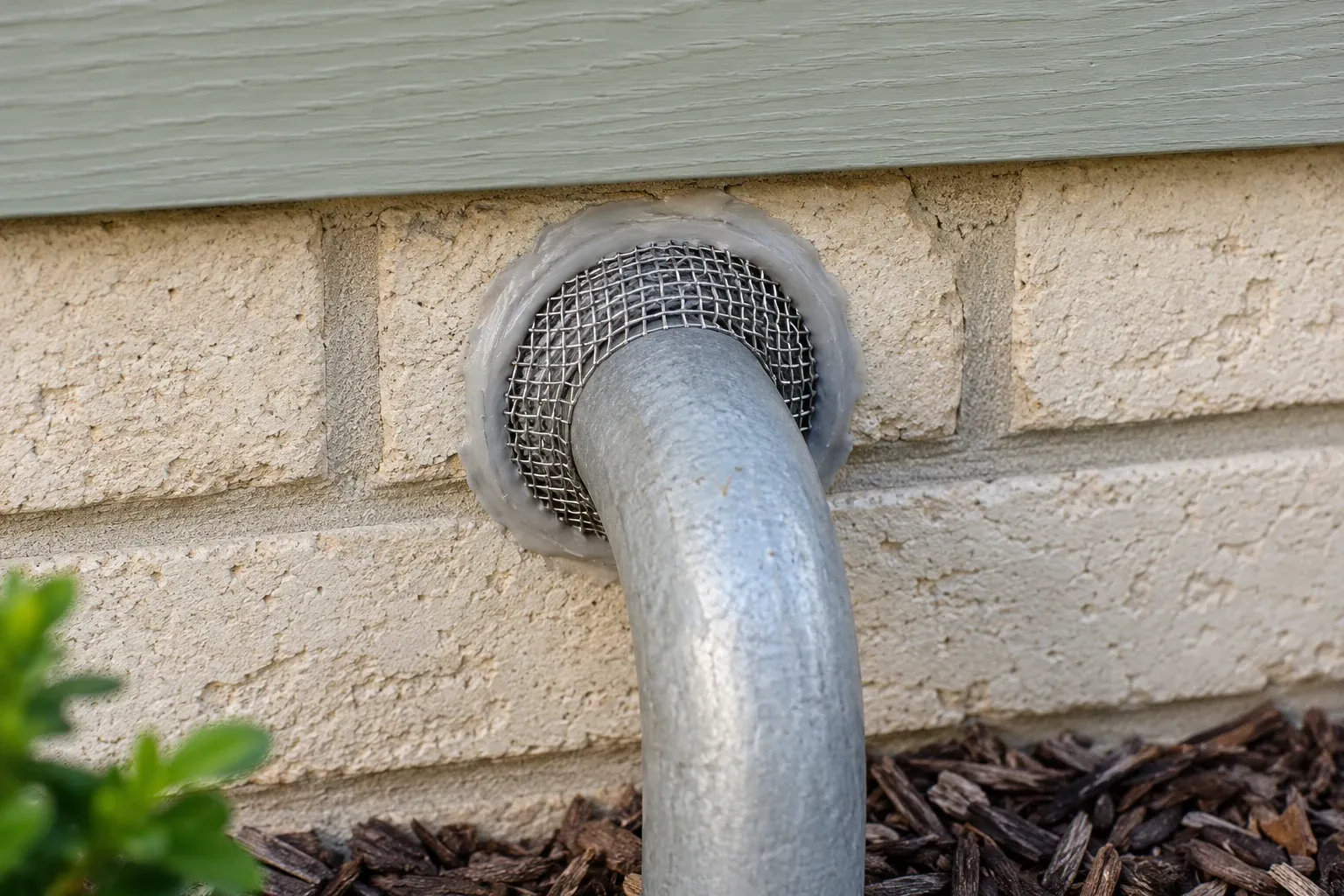
  • Pipes and cables: Unsealed spaces where water lines, electrical cables, or other utilities pass through exterior walls.
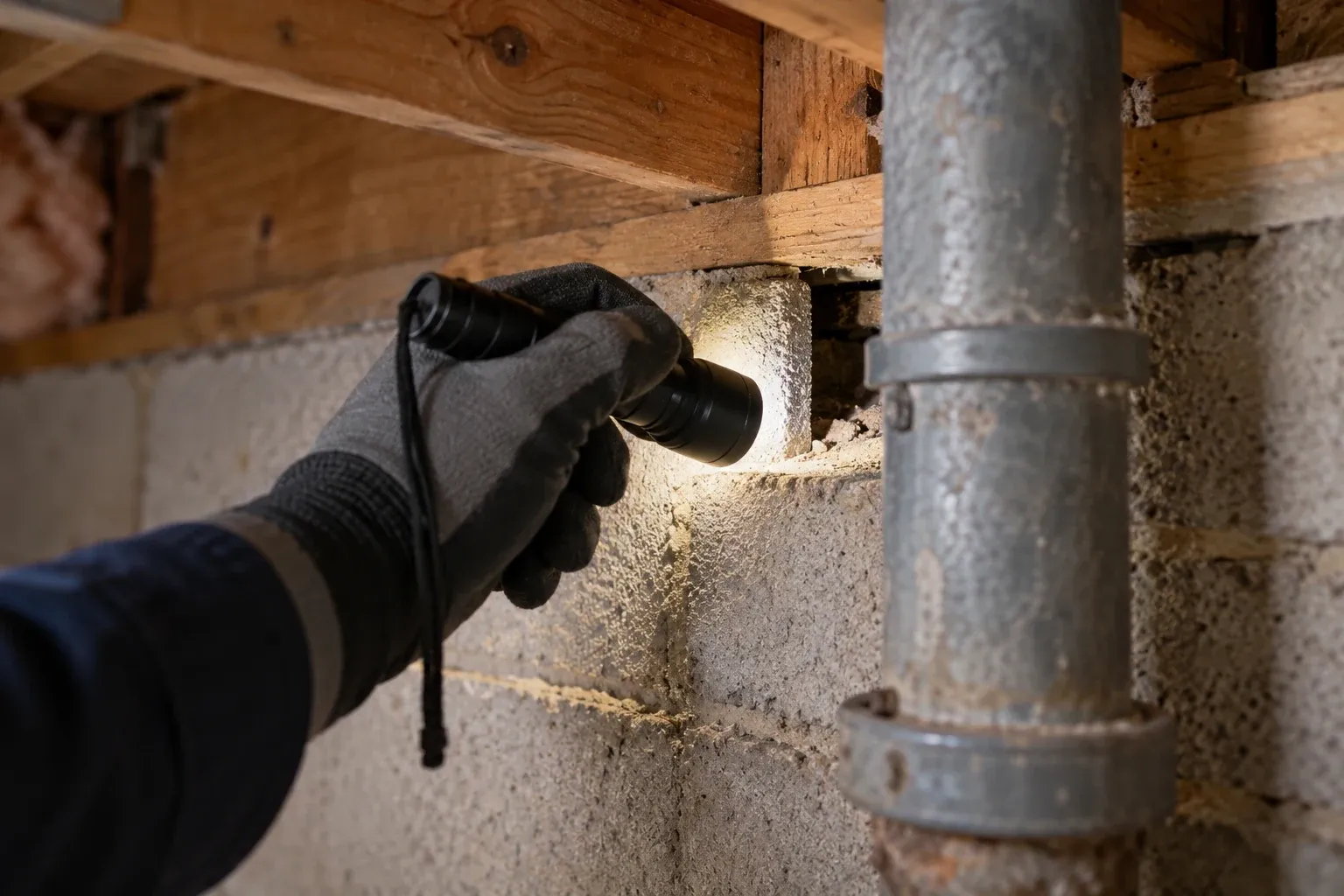
  • Foundations and basement windows: Cracks, damaged covers, and openings near the base of the home.
  • Garage and exterior doors: Worn weatherstripping, missing door sweeps, or gaps along the frame.
  • Attic vents and roof edges: Damaged screens or openings around eaves and soffits.

Depending on the gap, repairs may use fitted metal mesh, flashing, durable sealants, or correctly installed door sweeps. Foam alone isn't a dependable barrier where mice can gnaw through it.

Entry-point work should be coordinated with treatment so mice aren't trapped inside inaccessible spaces. See our rodent exclusion service and guide to how rodents enter homes.

Rodent-exclusion mesh fitted around a utility pipe at a brick wall

Where Mice Hide and Nest

Finding droppings in the kitchen doesn't mean that's the only affected room. Mice may nest in sheltered places and travel to food sources at night.

  • Behind appliances: Warm, undisturbed spaces near food and water.
  • Inside walls: Cavities around pipes or between rooms.
  • Attic insulation: Quiet areas that provide nesting material and shelter.
  • Basements and garages: Storage boxes, clutter, and gaps near utility lines.

Tracking these areas helps explain why mice can remain out of sight even when signs keep appearing.

House cutaway showing connected attic, wall, basement, and garage spaces

Mouse Removal and Mouse-Proofing: Why Both Matter

Removing mice addresses the infestation already inside your home. Mouse-proofing, also called exclusion, closes openings that let new mice enter.

Removing mice from an attic won't stop another mouse from coming through a damaged vent. Sealing that vent won't remove mice already inside, either. When an infestation keeps returning, both treatment and entry-point repairs may be necessary.

This is why the right plan should consider the existing activity and the home's openings together, rather than treating each new sighting on its own. Our Rodent Control Janesville WI overview explains this broader approach.

Damage and Cleanup Concerns

Mice can contaminate stored food and kitchen surfaces with droppings and urine. They may also gnaw on packaging, insulation, and electrical wiring. Damaged wiring should be checked by a qualified electrician.

Never sweep or vacuum dry mouse droppings. The CDC's cleanup guidance recommends gloves and wetting affected areas with an appropriate disinfectant before wiping up waste. Dispose of contaminated food, and keep children and pets away from affected areas until cleaning is complete.

Large nests or heavily contaminated attic insulation may require separate cleanup or replacement. Ask whether that work is included in the proposed service.

How Much Does a Mice Exterminator Cost in Janesville?

Mouse exterminator costs depend on the extent of the infestation and the work required. A few signs behind the refrigerator may call for a different approach from mice nesting throughout an attic or moving between several rooms.

Factors can include inspection, trap placement, access to hidden areas, return visits, entry-point sealing, and any contaminated-material cleanup. Mouse removal in Janesville, WI, may be priced separately from exclusion or repairs.

Before agreeing to treatment, ask what's included and whether follow-up checks or mouse-proofing are part of the cost. That makes it easier to compare the actual work, not just the starting price. Learn more in our rodent control cost guide.

About Janesville Rodent Pros

Janesville Rodent Pros provides mice control for homeowners finding droppings in cabinets, hearing activity in walls, or catching mice without seeing the problem end. These signs can involve hidden nesting areas and small openings around a home.

Tell us which rooms are affected and what traps you've already tried. We'll help you review treatment, follow-up needs, and possible entry-point concerns without requiring you to know where mice are hiding.

Our focus is on practical answers about mouse activity and the next steps to address it.

Gloved hand using a flashlight to inspect a basement foundation opening

What to Expect When You Call

Getting help with mice should be straightforward. Here's how to get started.

1. Call Us

Tell us where you've seen mice, found droppings, or heard scratching. Mention what you've already tried and whether new signs keep appearing.

2. Review the Problem

We'll discuss the activity you've noticed and what type of mice control may be needed, including treatment options and possible entry-point concerns.

3. Arrange Service

Review availability, scheduling, pricing, and what's included. Confirm whether follow-up checks or entry-point repairs are part of the proposed work.

Mice Control in Janesville, WI and Nearby Communities

We serve Janesville homeowners dealing with mice behind kitchen cabinets, inside walls, and in attics or garages. The entry points and affected rooms vary by property, so the signs matter more than the neighborhood.

Our service area also includes Milton, Edgerton, Beloit, and Evansville.

Frequently Asked Questions

Does Seeing One Mouse Mean I Have More?

Not necessarily. One sighting doesn't prove other mice are inside, but check for droppings, gnaw marks, and new activity before assuming the problem is over.

Will Mice Leave if I Remove Food Sources?

Keeping food sealed and cleaning up crumbs can make your home less attractive to mice, but it may not remove mice already nesting inside. Trapping and entry-point checks may still be needed.

Can a Mice Exterminator Keep Mice From Coming Back?

Treatment can address the current infestation, while sealing entry points and limiting food access help reduce repeat problems. The work needed depends on what's found during inspection.

Is Mouse Treatment Safe for Kids and Pets?

Safety depends on the treatment and where traps or bait are placed. Explain your household needs before work begins and follow instructions to keep children and pets away.

How Do I Know Mouse Treatment Is Working?

After safe cleanup, watch for fresh droppings, new gnaw marks, continued scratching, or further sightings. If signs keep appearing, follow-up inspection or treatment may be needed. A few quiet nights alone aren't proof that every mouse is gone.

Does Mouse Removal Include Attic Cleanup?

Not always. Trapping, exclusion, cleaning, and replacing damaged insulation can be separate services. Ask what's included before scheduling.

How Long Does It Take to Get Rid of Mice?

There's no fixed timeline. Nesting locations, the number of mice, remaining openings, and treatment methods all affect whether follow-up visits are needed.

Need a Mice Exterminator in Janesville, WI?

Still finding droppings after cleanup or catching mice that keep coming back? Tell Janesville Rodent Pros what you're seeing. Get help with mouse removal and the entry points that may be allowing more mice inside.