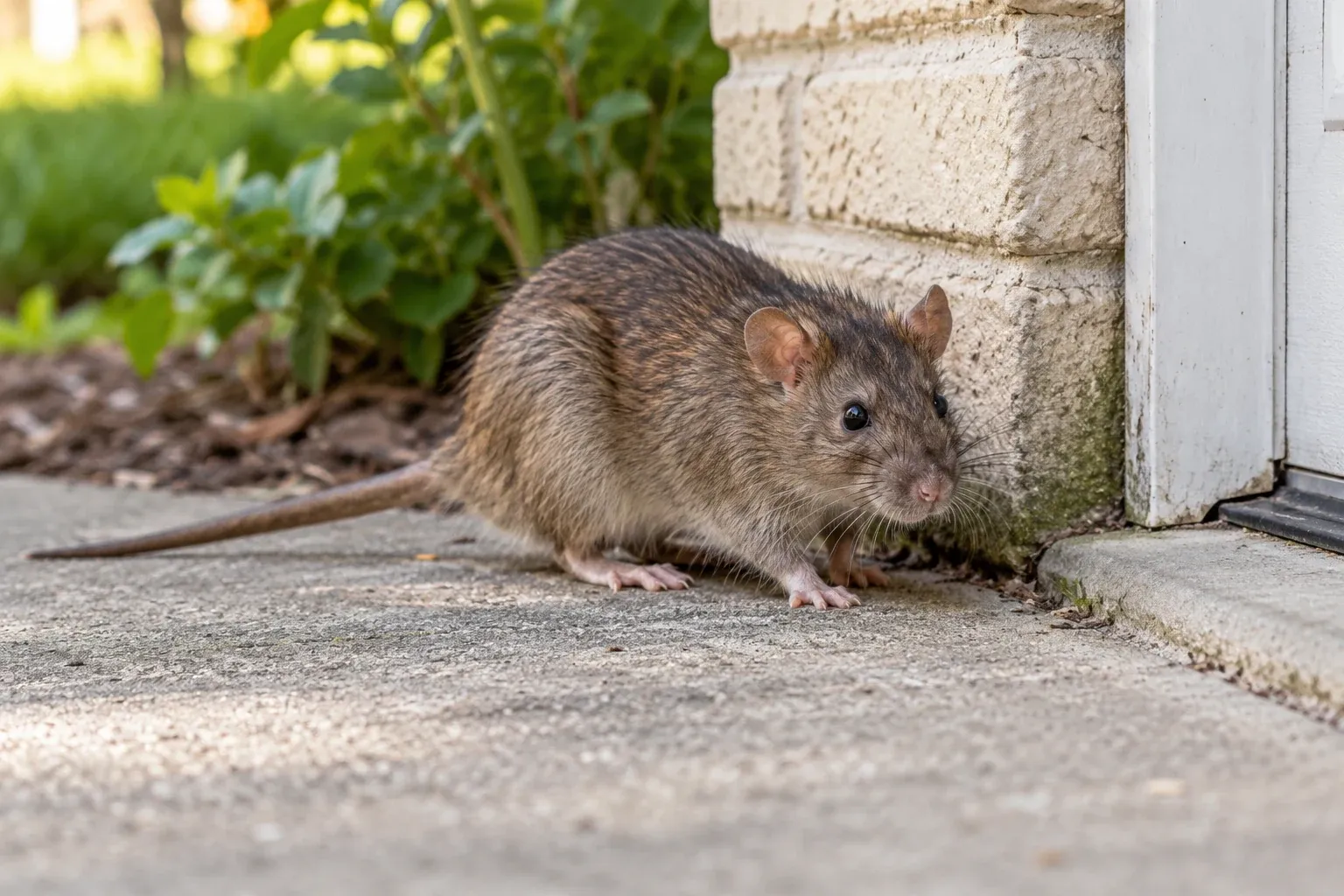
Rat near a garage foundation and stored household items

Rat Control Janesville WI Rat Removal & Extermination

Found large droppings in your garage or a burrow beside the foundation? Hearing movement in the basement at night?

Janesville Rodent Pros provides rat control in Janesville, WI, for rats inside and around your home. We help address active rat problems, locate likely hiding places, and identify openings that may allow rats indoors.

Signs of a Rat Problem

You may find evidence of rats before seeing one. The location of the signs can help show where rats feed, travel, and shelter.

Large Droppings in the Garage or Basement

Rat droppings are generally larger than mouse droppings. Look along walls, behind shelves, and near stored food. New droppings after safe cleanup suggest that rats may still be using the area.

Burrows Near the Foundation or Shed

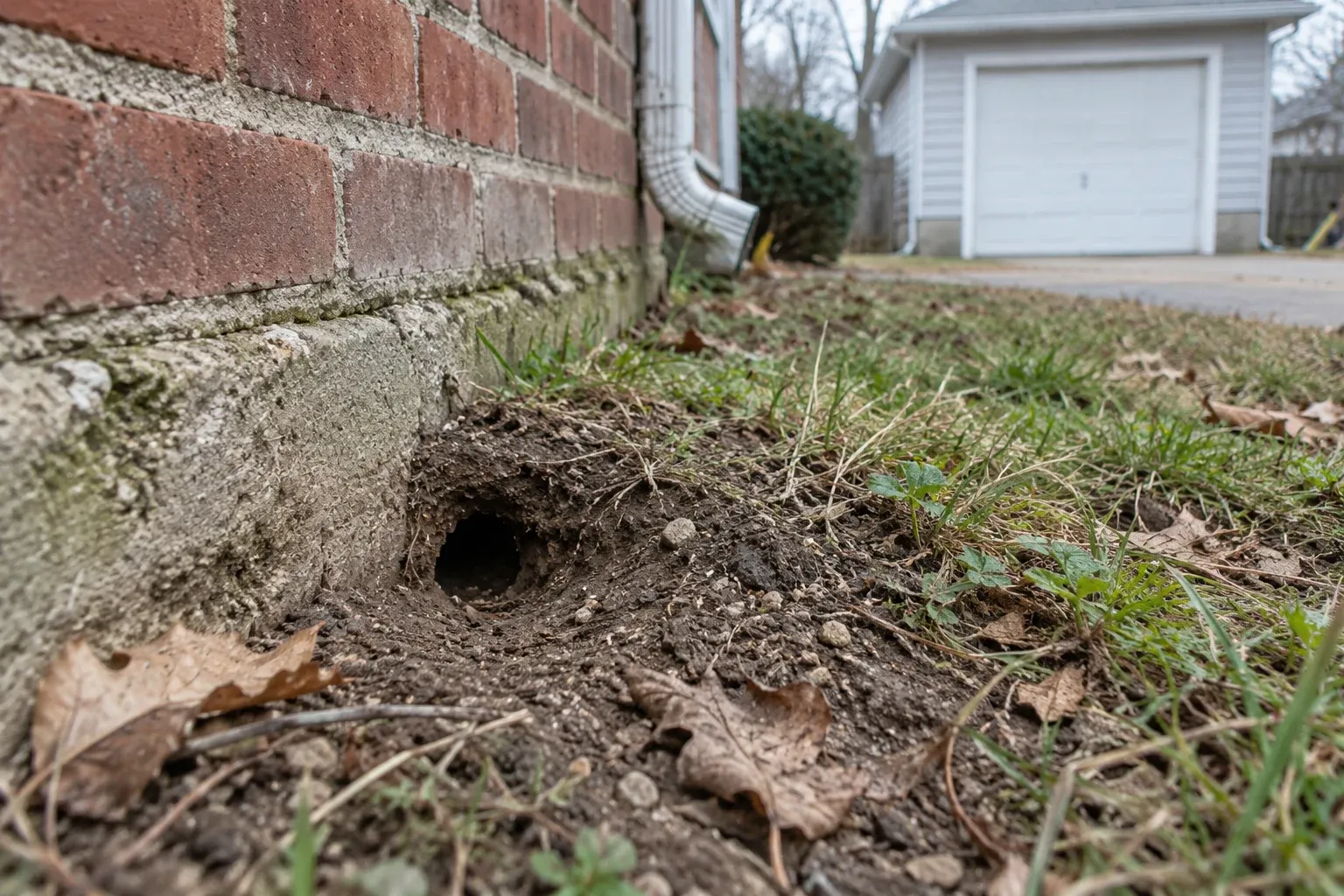
An opening in the soil beside a foundation, beneath a shed, or near stacked materials may be a rat burrow. Not every hole is made by rats. Nearby tracks, droppings, or repeated sightings can help confirm the cause.

Gnaw Marks and Damaged Storage

Rats can chew through food packaging, plastic containers, wood, and insulation. You may notice torn feed bags or marks around garage doors. If wiring has been damaged, have a qualified electrician check it.

Scratching or Heavy Movement at Night

Movement beneath a floor, behind a basement wall, or above a ceiling may point to rats. Other pests can make similar noises, so sounds alone aren't enough to identify the problem.

Grease Marks and Worn Travel Paths

Rats often move along sheltered edges. Dark smudges near a wall, tracks in dust, or flattened paths through vegetation may reveal a route they use repeatedly.

Rats Near Trash or Pet Food

A rat near garbage bins, stored birdseed, or pet food may be looking for an easy meal. Repeated sightings, particularly with burrows or droppings nearby, are a reason to check the property more closely.
Why Rats Keep Returning

Trapping one rat doesn't necessarily solve the problem. Others may be using a burrow or moving between yards and outbuildings. Accessible food, water, and sheltered areas can keep drawing rats back, even after an individual rat is removed.

Rats may also avoid unfamiliar traps. An untouched trap doesn't prove the problem has ended. Placement, trap size, and the routes rats actually use all matter. In some cases, traps are left baited but unset first so rats become familiar with them.

Effective rat control looks at the full pattern: where rats are active, what attracts them, and whether they can enter the home. Our Rodent Control Janesville WI overview explains how treatment and entry-point solutions fit together.

Rat burrow beside a brick foundation near a detached garage

How Professional Rat Control Works

Before treatment, a rat exterminator checks for droppings, burrows, gnaw marks, and travel paths. Those signs help show where rats are active and which areas need attention.

1. Inspect Rat Activity

Check garages, foundations, sheltered outdoor areas, and any rooms with signs of rats. An inspection can help distinguish an active rat problem from older damage or signs left by mice.

2. Select the Treatment

Rat-sized snap traps may be placed along active travel routes. Other methods, including secured bait stations, may be considered when appropriate. Treatment choices should account for children, pets, and wildlife, with all pesticide label directions followed.

3. Check Entry Points

Examine gaps around garage doors, vents, utility pipes, and foundations. If rats can enter the structure, repairs or rat exclusion may be needed alongside treatment. Confirm which work is included.

4. Monitor for Activity

Fresh droppings, reopened burrows, or new gnaw marks may indicate rats are still active. Follow-up checks help determine whether additional treatment is necessary.

The treatment method and number of visits depend on the property and what the inspection finds.

Where Rats Hide and Enter Homes

A rat seen outside doesn't automatically mean rats are living inside. Check the areas that offer shelter, food, or a route into the building.

  • Garbage and feeding areas: Loose bin lids, spilled birdseed, and pet food left outdoors.
  • Sheds, decks, and storage: Protected spaces under structures, stacked lumber, and clutter.
  • Foundations and crawl spaces: Burrows, damaged vents, and openings around pipes.
  • Garages and basements: Worn door seals, stored feed, and hidden corners behind shelving.
  • Rooflines and attics: Damaged vent covers or other openings may also deserve inspection when there are signs overhead.

Norway rats are known for burrowing near ground level. Some rat species also climb well. The location of a noise or dropping alone doesn't establish which species is present.

Learn more about how rodents enter homes.

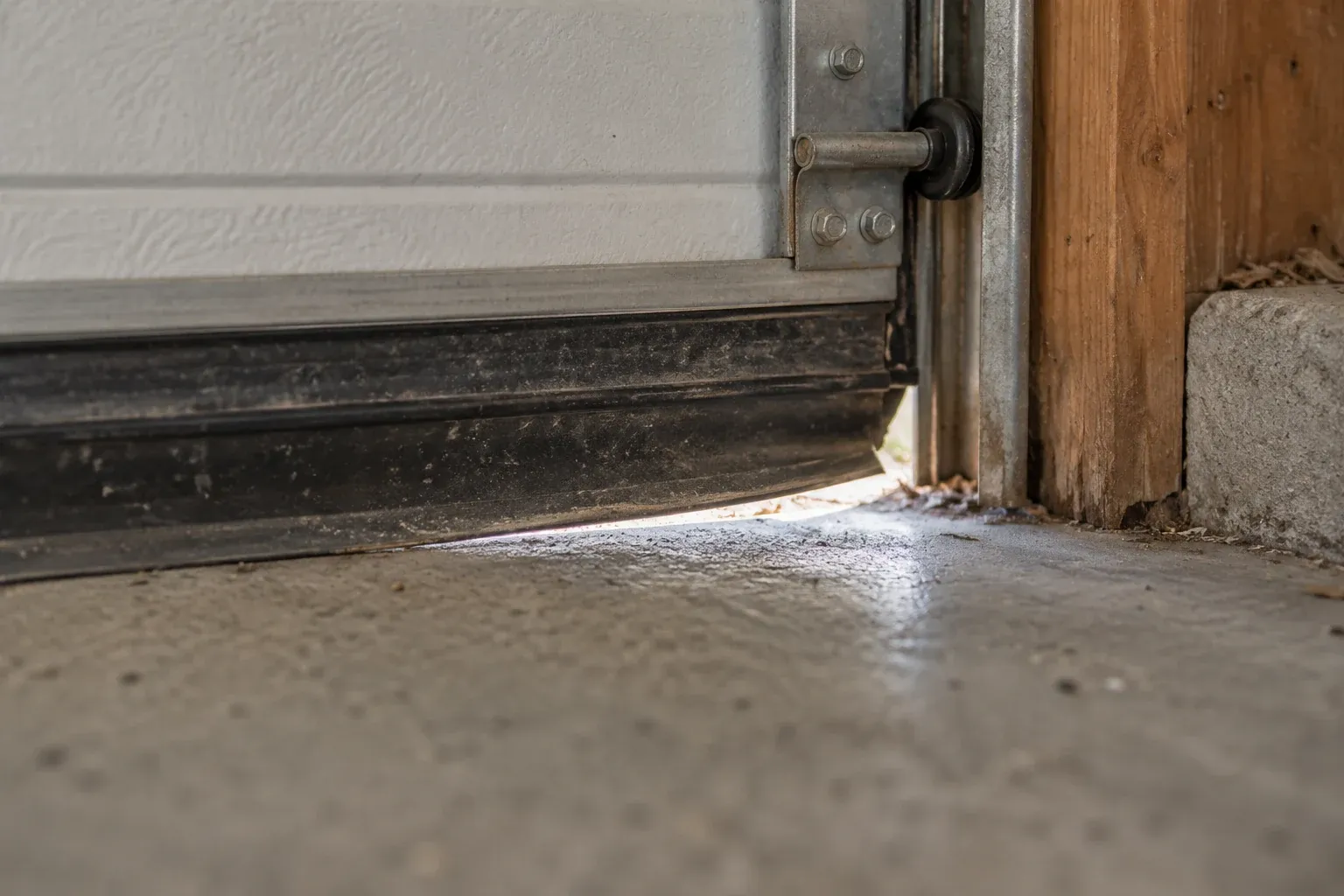
Daylight passing through a worn seal at the corner of a residential garage door

Rat Removal and Rat Exclusion

Rat removal addresses rats already inside or around your property. Rat exclusion means finding and sealing openings that could let rats enter the house. These are different parts of controlling an infestation, and both may be needed.

Exclusion can involve fitted metal mesh, flashing, durable vent covers, and properly installed door sweeps. The material must suit the opening; foam or soft plastic alone is not a reliable barrier against gnawing.

If rats may still be inside, don't seal an active opening without a plan for removing them. Learn more about our rodent exclusion service and exclusion versus extermination.

Damage and Health Concerns From Rats

Rats can contaminate stored food and surfaces with droppings or urine. They may also damage insulation, stored belongings, and electrical wiring. Rat activity in a basement or garage can extend into spaces you rarely check.

Not every sighting means a major infestation or serious damage. Still, fresh signs deserve attention. Ask whether removing contaminated material or repairing damaged areas will be handled separately from rat treatment.

What to Do If You Find Rats

While arranging service, you can reduce food sources and record where you're seeing activity:

  • Close garbage and recycling bins securely, and clean up spills.
  • Bring pet food inside after feeding and store birdseed in sealed containers.
  • Clear unnecessary clutter near sheds, fences, and foundation walls.
  • Note where you've found droppings, burrows, tracks, or gnaw marks.
  • Keep children and pets away from traps, bait, and contaminated areas.

Don't sweep or vacuum dry rat droppings. Follow the CDC's rodent cleanup instructions for disinfecting and removing waste safely. Heavy contamination may require professional cleanup.

How Much Does a Rat Exterminator Cost in Janesville?

Rat extermination costs depend on the extent of the problem and the work required. Rats burrowing beside a shed may need a different approach from rats entering a basement or nesting in an enclosed space.

Pricing may reflect inspection, treatment, access to affected areas, repeat visits, and entry-point repairs. Rat removal and rat exclusion may be priced separately. Cleanup or structural repairs can add further costs.

When comparing rat exterminator services, ask what's included in the proposed price. Will there be follow-up checks? Are entry-point repairs part of the plan? The answers matter more than a low starting number. Read our rodent control cost guide for more detail.

About Janesville Rodent Pros

Rat problems can start beside a shed or garbage bin and become harder to address if rats find access to a garage or basement. Janesville Rodent Pros provides rat control for homeowners dealing with burrows, large droppings, gnaw damage, and repeated sightings.

Tell us where the activity began and whether you've found fresh signs after trying traps. We'll help you discuss inspection, treatment options, and whether rat exclusion or outdoor food sources also need attention.

Our focus is on the evidence at your property, not assumptions based on a single sighting.

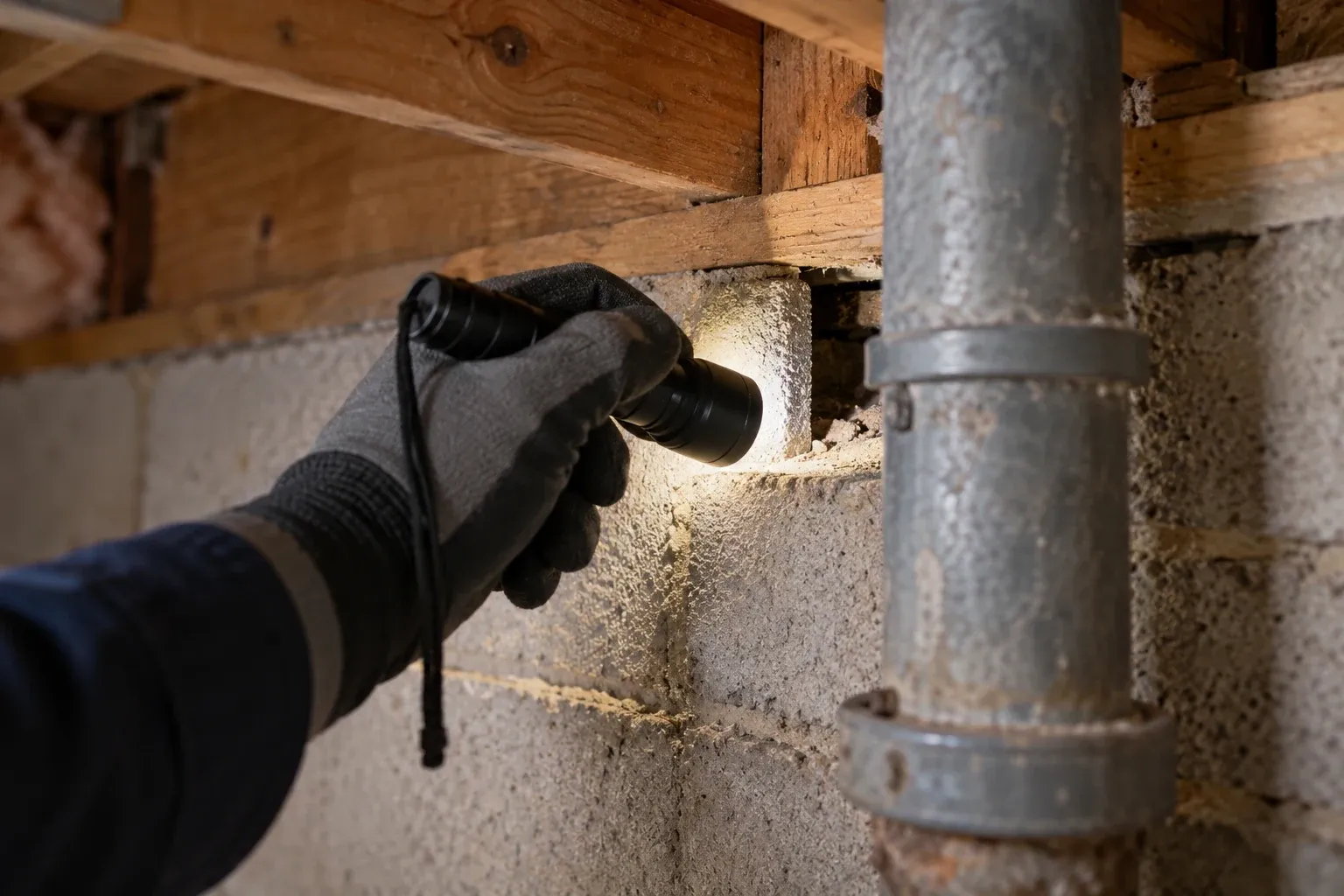
Gloved hand using a flashlight to inspect a basement foundation opening

What to Expect When You Call

Getting help with a rat problem should be straightforward. Here's how to get started.

1. Call Us

Tell us where you've seen rats or found droppings, burrows, or damage. Mention when the problem started and anything you've already tried.

2. Review the Problem

We'll discuss the signs you've noticed and the type of rat treatment that may be needed, including access points and household safety concerns.

3. Arrange Service

Discuss availability, scheduling, pricing, and what's included. Confirm whether follow-up visits or entry-point repairs are part of the proposed work.

Rat Control in Janesville and Nearby Communities

We provide rat control throughout Janesville. Signs may appear near sheds, garbage storage, garage doors, or foundations; the areas that need inspection depend on the property, not its neighborhood.

Our service area also covers Milton, Edgerton, Beloit, and Evansville.

Frequently Asked Questions

Does Seeing One Rat Outside Mean Rats Are Inside?

No. An outdoor sighting doesn't confirm an indoor infestation. Check for droppings, damage, gaps around the building, or sounds inside before drawing that conclusion.

How Can I Tell Rat Droppings From Mouse Droppings?

Rat droppings are generally larger, but size alone can be misleading. Look at the location and other signs, such as burrows and gnaw marks. Our mice vs. rats guide explains the differences.

Why Are Rats Avoiding My Traps?

Rats may avoid new objects, and traps placed away from active routes can be missed. Check for droppings and travel paths rather than moving traps at random.

Does Rat Control Include Rat Exclusion?

Not necessarily. Trapping and entry-point sealing may be separate services. Ask which openings will be inspected, which repairs are included, and whether follow-up visits are planned.

What Should I Ask a Rat Exterminator?

Ask how the rat activity will be assessed, which treatment methods are proposed, what safety precautions apply, and whether the price includes follow-up or exclusion work.

Is Rat Bait Safe Around Children and Pets?

Rodenticide bait can be hazardous. If bait is used, it must be placed in suitable secured stations according to its label and kept inaccessible to children, pets, and wildlife.

How Long Does Rat Removal Take?

There isn't one timeline for every home. The number of rats, access to burrows or nesting areas, available food, and treatment approach can affect how many visits are needed.

Need Rat Control in Janesville, WI?

Finding fresh droppings in your garage, rat burrows near the foundation, or gnaw damage around your home? Call Janesville Rodent Pros to discuss treatment and the entry points that may be allowing rats inside.