
Rodent Exclusion vs. Extermination: What's the Difference?
The main difference is what each service is designed to accomplish.
| Rodent Extermination | Rodent Exclusion | |
|---|---|---|
| Main purpose | Treat an active mouse or rat infestation | Prevent rodents from entering |
| Typical work | Inspection, trapping, treatment, monitoring | Entry-point inspection, sealing, structural repairs |
| Addresses rodents already inside? | Yes | Not by itself |
| Prevents new entry? | Not automatically | Reduces access through repaired openings |
| When it's needed | Signs of active rodents | Vulnerable openings or repeated entry |
Rodent extermination is primarily about controlling mice or rats already living or moving through a property.
Rodent exclusion addresses the structural openings they use to enter.
Neither service automatically includes the other. That's why understanding the proposed work matters before hiring a rodent exterminator.
When Do You Need Rodent Extermination?
If mice or rats are actively living inside your home, treatment is usually the immediate concern.
Common signs include:
- Fresh droppings appearing after safe cleanup.
- Mice running through kitchens or storage rooms.
- Scratching in walls accompanied by other rodent evidence.
- Gnaw marks on food packages or stored items.
- Rats entering garages, basements, or other indoor spaces.
Treatment may involve snap traps, other suitable trapping methods, or secured bait stations when appropriate.
The method depends on the rodent, where it's active, and household safety concerns.
Extermination is not simply placing traps throughout the house. An inspection helps identify where mice or rats travel, what treatment is suitable, and how continued activity will be checked.
When Do You Need Rodent Exclusion?
Rodent exclusion becomes important when openings around your home allow mice or rats to enter.
You may need exclusion if you've noticed:
- A gap beneath a garage or exterior door.
- Holes around plumbing or utility lines.
- Damaged vent covers or openings near the roofline.
- Cracks or unsealed joints near the foundation.
- Repeated mouse activity despite previous trapping.
A house mouse can squeeze through an opening about one-quarter inch wide. Small gaps that seem harmless may provide access to wall cavities, kitchens, or attics.
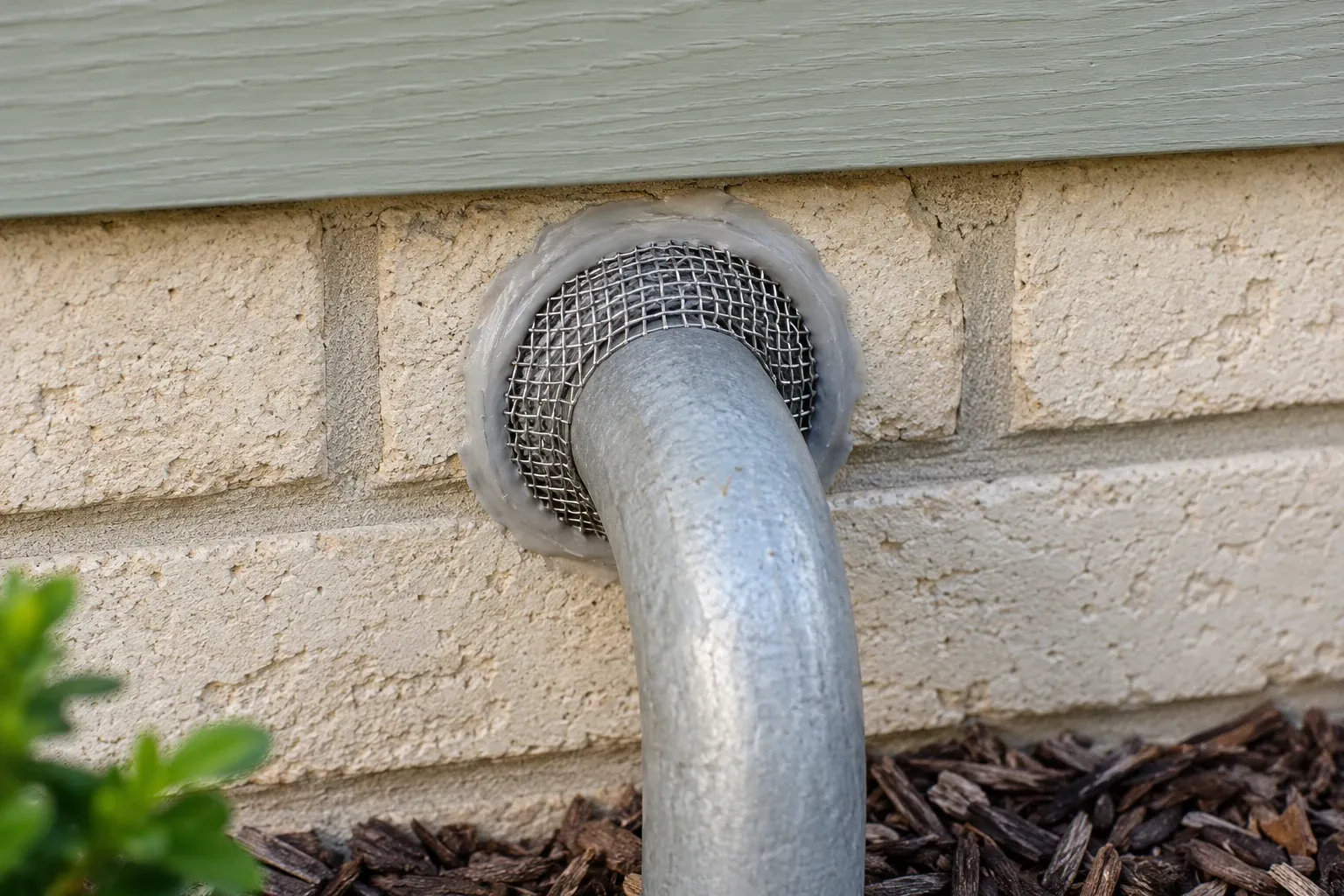
Exclusion repairs may use metal mesh, flashing, fitted door sweeps, or other suitable rodent-resistant materials.
The repair depends on the opening. Foam alone isn't a reliable barrier where rodents can gnaw through it.
Our Rodent Exclusion service explains the inspection and repair process in more detail.
When Are Both Services Needed?
Many recurring infestations involve two separate problems: rodents already inside and openings that allow more to enter.
Here are three examples.
Mice Keep Coming Back After Trapping
You've caught several mice, but fresh droppings keep appearing beneath the sink.
Other mice may remain inside, or new mice may be using an exterior opening.
What may be needed: Mouse treatment to address the active infestation, followed by or coordinated with exclusion to repair relevant entry points.
Rats Are Entering Through a Garage
You find large droppings near stored pet food and notice a damaged garage door seal.
Removing rats addresses the existing activity, but the door gap remains a possible route for more rats.
What may be needed: Rat control, appropriate repairs to the garage opening, and better protection of stored food.
Scratching Continues After Treatment
The original treatment seemed successful, but you still hear movement in the ceiling.
It could mean rodents remain active, new ones have entered, or the sound has another cause.
What may be needed: Another inspection to confirm the source before deciding on additional treatment or exclusion.
The key is to address the actual cause rather than assume every recurring problem needs the same service. Explore our approach to rodent control in Janesville, WI to see how treatment and entry-point solutions fit together.
Should Extermination or Exclusion Come First?
There isn't one sequence that fits every property. However, active rodent activity needs to be considered before closing openings.
1. Inspect the Property
Check for fresh droppings, nesting material, gnaw marks, and likely entry points.
Determine whether mice or rats are currently inside and which openings may be involved.
2. Begin Appropriate Treatment
When rodents are active indoors, trapping or other suitable treatment may be needed.
This helps address the existing infestation before potentially sealing rodents inside hidden spaces.
3. Coordinate Entry-Point Repairs
Some openings can be repaired while treatment continues. Others may need to remain accessible until the situation is assessed.
The important point is to coordinate removal and sealing rather than close every suspected route without a plan.
4. Monitor for Remaining Activity
Check for fresh droppings, new sightings, or gnaw marks after treatment and repairs.
Continued activity may require additional inspection or follow-up.
Why Extermination Alone May Not Solve the Problem
You've paid for treatment, caught the mice, and stopped hearing noises. A few weeks later, you find droppings again.
That doesn't automatically mean the original treatment failed.
If a foundation opening, garage gap, or damaged vent remains accessible, new rodents may enter through the same route.
Food storage and outdoor conditions also matter. Accessible pet food, garbage, and sheltered nesting areas can support recurring activity.
Rodent removal addresses the existing problem, but prevention may require additional work.
Read our guide on why mice keep coming back after trapping.
Why Exclusion Alone May Not Be Enough
Sealing visible gaps can reduce entry, but it doesn't automatically remove rodents already living inside.
For example, closing an attic opening while mice remain in the insulation could leave them trapped inside the structure.
Another issue is incomplete sealing. You may repair a garage door gap while overlooking an opening around a utility pipe.
That's why inspection is important. Effective exclusion should address relevant entry routes, not simply the most obvious hole.
If you're unsure where rodents may be entering, see our guide to common rodent entry points.
What Should You Ask Before Hiring a Rodent Exterminator?
Some homeowners assume that extermination includes finding and sealing every entry point. That isn't always the case.
Before approving treatment, ask:
- Inspection: Will the service include checking likely nesting areas and entry points?
- Treatment: What methods will be used, and where will traps or bait be placed?
- Exclusion: Are structural repairs included or priced separately?
- Follow-up: Will there be return visits or checks for continued activity?
- Materials: If openings are repaired, what rodent-resistant materials will be used?
- Cleanup: Is removing contaminated material included, if needed?
These questions make it easier to understand the scope of work and compare services.
Which Costs More: Extermination or Exclusion?
There isn't a fixed answer.
Rodent extermination costs depend on the extent of the infestation, treatment methods, affected areas, and follow-up visits.
Rodent exclusion costs depend on the number of openings, materials, access requirements, and any structural repairs.
Sealing one accessible utility gap is different from repairing several damaged vents or hard-to-reach roofline openings.
If both services are recommended, ask for a clear explanation of what each includes. Our rodent control cost guide covers additional pricing factors.
What About Children, Pets, and Cleanup?
Any treatment should account for household safety.
Traps and rodent bait must be placed where children and pets cannot access them. Rodenticide products must be used according to their labels.
If you find droppings, don't sweep or vacuum them dry. Follow the CDC's rodent cleanup guidance for safe disinfection and removal.
Cleanup of heavy contamination or damaged insulation may be separate from extermination and exclusion.
Frequently Asked Questions
Does Rodent Extermination Include Exclusion?
Not always. Extermination treats active rodents, while exclusion addresses entry points. Some service plans include both, but you should confirm what the proposed work covers.
Can I Seal Rodent Holes Before Extermination?
Some repairs may be appropriate immediately, but suspected active entry points should be assessed first. Sealing openings without considering rodents already inside can create additional problems.
Will Rodent Exclusion Stop Mice Permanently?
Exclusion can significantly reduce entry through repaired openings, but no repair guarantees that rodents will never return. New damage or other openings may create future access.
Does Extermination Always Mean Using Poison?
No. Rodent treatment may involve snap traps and other methods. If bait is proposed, ask why it's appropriate and what safety precautions will be used.
Do I Need Exclusion if I've Only Seen Rats Outside?
Not necessarily. An outdoor sighting doesn't prove rats are entering the house. Check for burrows, accessible food, and openings before deciding whether treatment or exclusion is needed.
How Do I Know the Rodent Problem Is Resolved?
Look for the absence of new droppings, gnaw marks, sightings, and other signs after treatment. Follow-up inspection or monitoring may be needed, especially when the original problem was widespread.
Need Rodent Extermination or Exclusion in Janesville, WI?
Still catching mice, finding fresh droppings, or noticing gaps around your home?
Janesville Rodent Pros provides rodent control services in Janesville, WI, and surrounding communities. Whether you need Mice Control, Rat Control, or Rodent Exclusion, tell us what you're dealing with and discuss the next steps.